
Conditions we treat
Depression
When sadness stops lifting on its own.
Persistent low mood, loss of interest, and fatigue that interfere with daily life.
An overview
Understanding depression
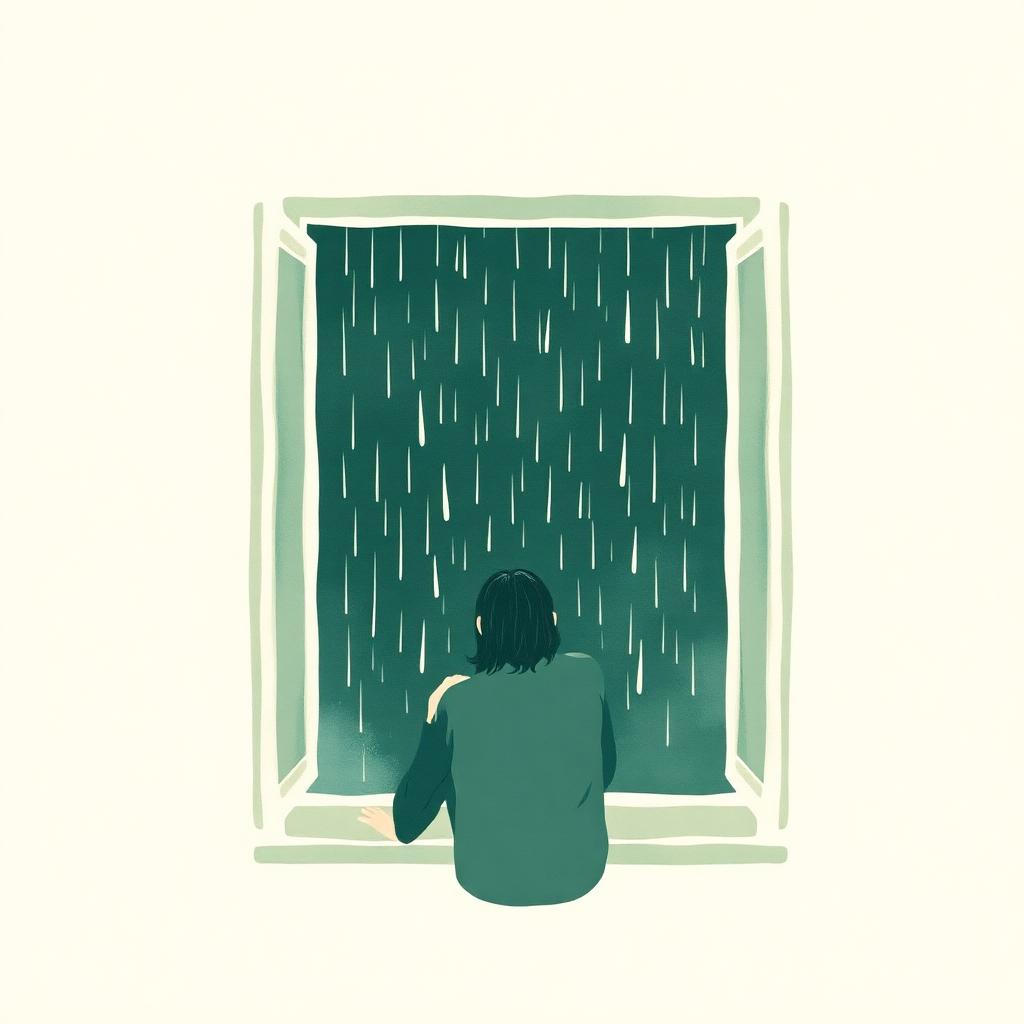
Depression is far more than a low mood. It is a treatable medical condition that quietly reshapes how you think, feel, sleep, eat, work, and relate to the people around you. For some it arrives suddenly after a loss, illness, hormonal shift or sustained period of stress; for others it builds slowly over months until ordinary tasks, replying to a message, making a meal, getting through a workday, start to feel disproportionately heavy. People often try to push through, blaming themselves for being 'lazy' or 'ungrateful', when what they are actually experiencing is a biological and psychological condition that responds well to treatment. With careful evaluation, the right combination of medication where indicated, structured therapy, and steady follow-up, the vast majority of people recover meaningfully and rebuild a life that feels their own again.
Common signs
- •Persistently low or empty mood for two weeks or longer
- •Loss of interest in activities you usually enjoy
- •Changes in appetite, weight, or sleep
- •Fatigue, slowed thinking, or difficulty concentrating
- •Feelings of guilt, hopelessness, or worthlessness
- •Thoughts of self-harm or that life is not worth living
What contributes
- •Genetic and family history
- •Significant life stress, loss, or trauma
- •Hormonal changes (postpartum, thyroid, menopause)
- •Chronic illness, pain or substance use
- •Long-standing anxiety, burnout or untreated insomnia
- •Vitamin deficiencies, post-viral states and certain medications
How we treat
- •Antidepressant medication when indicated, with careful follow-up
- •Supportive therapy and CBT-informed work on thought patterns
- •Sleep, nutrition and activity scheduling
- •Family involvement and psychoeducation
- •Behavioural activation and structured return to meaningful activity
- •Relapse-prevention planning and long-term wellness monitoring
When to seek help
- Low mood, emptiness or tearfulness lasting more than two weeks
- Loss of interest in things you previously enjoyed
- Changes in sleep, appetite or weight you can't explain
- Difficulty functioning at work, college or home
- Persistent guilt, hopelessness or feeling like a burden
- Any thoughts of self-harm, suicide or that life isn't worth living
Who can benefit
- Adults living with low mood, fatigue or 'just not feeling like myself'
- New mothers experiencing postpartum sadness or anxiety
- Students and working professionals facing burnout-linked depression
- Older adults with loneliness, grief or chronic illness
- Anyone whose previous depression treatment hasn't fully worked
Not sure if this fits you?
A single confidential consultation can help you understand what's going on and what to do next.
Book your consultationRead next
Anxiety Disorders
Generalised anxiety, panic, social anxiety and phobias that disrupt daily life.