
Conditions we treat
Headaches & Migraine
When the pain is in your head, and so is the toll.
Care for migraine, tension-type headache and headaches linked to stress, sleep or mood.
An overview
Understanding headaches & migraine
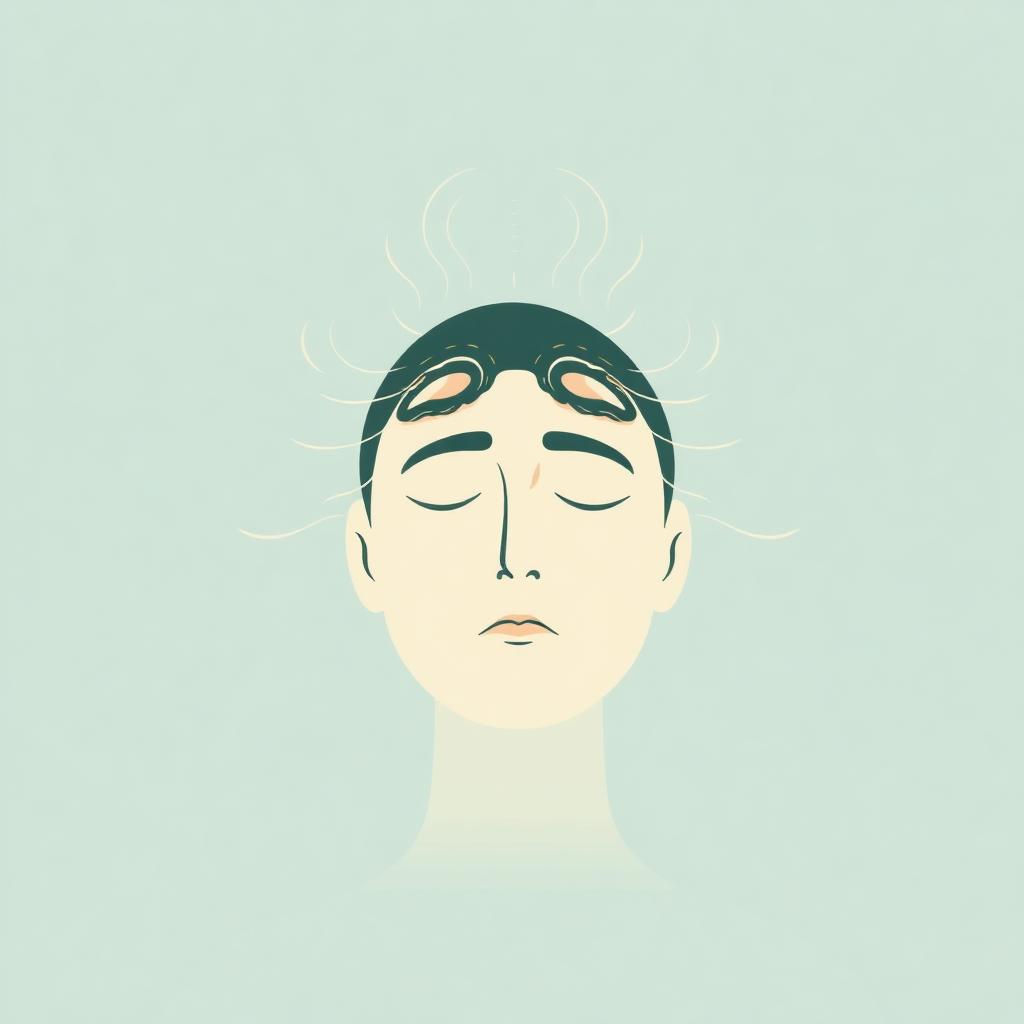
Frequent headaches and migraine sit at the meeting point of neurology and psychiatry. Recurrent attacks are deeply intertwined with stress, sleep quality, mood, anxiety, hormones and the slow build-up of medication overuse, and they quietly drain quality of life, work performance and relationships long before they are taken seriously. Most people have spent years cycling through painkillers, treating each attack as it comes, without anyone stepping back to look at the full pattern. A psychiatric perspective adds that step back: examining sleep, mood, caffeine, screens, hormonal cycles, painkiller use and lifestyle triggers together, and building a preventive plan that genuinely reduces how often and how badly attacks arrive, not just one that mops up after them.
Common signs
- •Recurrent throbbing or pulsating headaches, often one-sided
- •Sensitivity to light, sound or smell during attacks
- •Nausea, vomiting or visual aura before headache
- •Daily tension-type headache with neck and shoulder tightness
- •Headaches triggered by stress, poor sleep, screens or menstruation
- •Increasing reliance on painkillers (medication-overuse headache)
What contributes
- •Genetic vulnerability and individual triggers
- •Chronic stress, anxiety and depression
- •Poor sleep, dehydration, skipped meals, caffeine
- •Hormonal changes
- •Overuse of over-the-counter painkillers
- •Screen-heavy work, posture and eye strain
- •Alcohol, certain foods and weather changes in sensitive individuals
How we treat
- •Detailed history to identify triggers and patterns
- •Preventive medication where attacks are frequent
- •Treatment of underlying anxiety, depression or insomnia
- •Lifestyle work: sleep, hydration, screens, caffeine, stress
- •Coordination with neurology where needed
- •Safe tapering of overused painkillers
- •Stress-regulation and relaxation training as preventive tools
When to seek help
- More than 4 headache days a month or any disabling attack
- Headaches affecting work, school or family life
- Increasing use of painkillers (more than 2 days a week)
- Headaches alongside anxiety, depression or insomnia
- Migraine that started or worsened after a stressful period
- Any new or unusual headache pattern after age 40 (rule-out evaluation)
Who can benefit
- Adults with chronic migraine or daily tension headache
- Working professionals with stress-driven headaches
- Students with screen- and exam-related headaches
- Women with menstrual or hormone-linked migraine
- People stuck in a cycle of painkillers without lasting relief
Not sure if this fits you?
A single confidential consultation can help you understand what's going on and what to do next.
Book your consultationRead next
Bipolar Disorder
Mood cycling between depressive lows and elevated or irritable highs.