
Conditions we treat
Postpartum Depression
When the early days of motherhood feel heavier than they should.
Depression, anxiety and intrusive thoughts in pregnancy and the months after childbirth, common, treatable, and never a reflection on you as a mother.
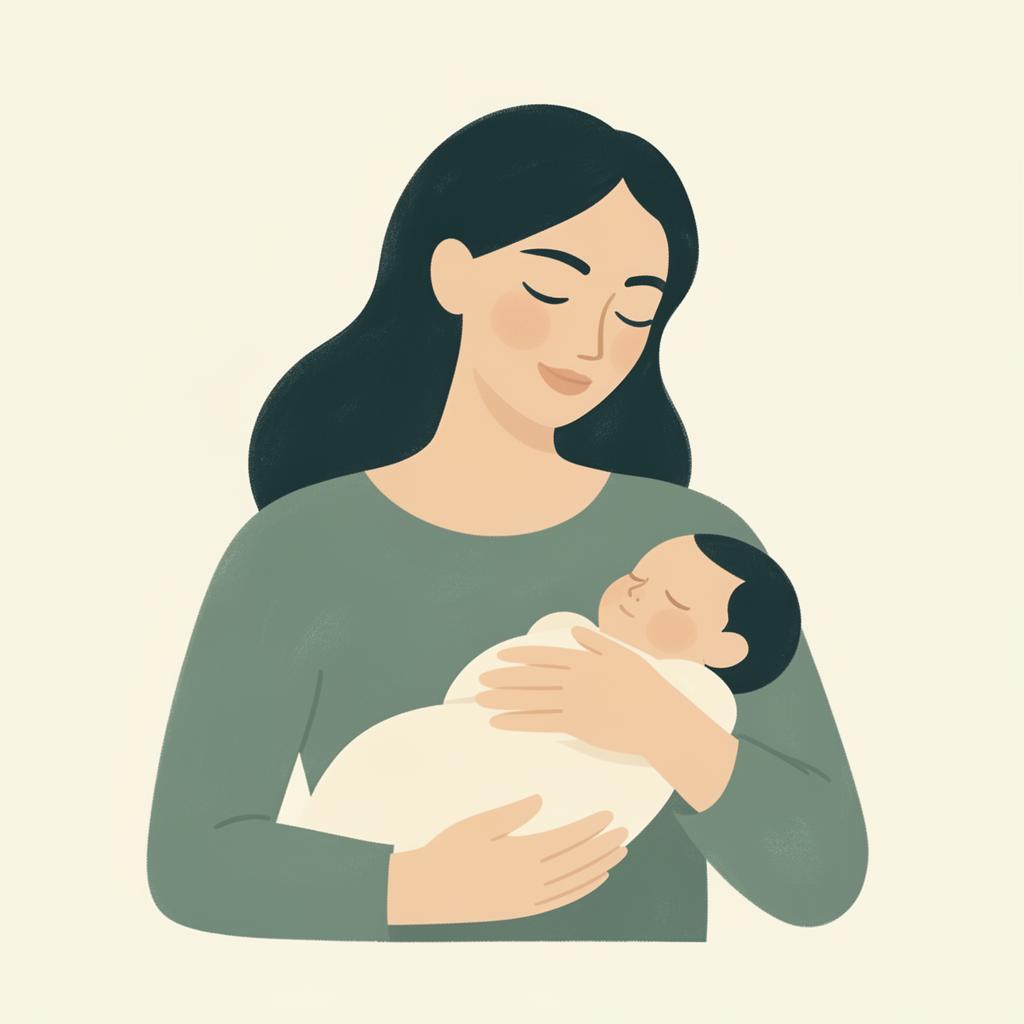
An overview
Understanding postpartum depression
The weeks and months after childbirth are one of the most vulnerable periods in a woman's life. Sleep is broken, hormones shift dramatically, identity is being rewritten, and the cultural expectation to feel only joy can make any other emotion feel shameful. Postpartum depression and anxiety are common, deeply treatable conditions, not weakness, not failure, and not a reflection on how much you love your baby. They can show up as persistent sadness or tearfulness, irritability, disconnection from the baby, frightening intrusive thoughts, racing worry, or simply the sense that something inside you has not come back. With timely evaluation, gentle and breastfeeding-aware medication where needed, supportive therapy and partner involvement, the vast majority of women recover fully and return to the version of themselves they recognise, often stronger than before.
Common signs
- •Persistent low mood, tearfulness or numbness lasting more than two weeks
- •Constant worry, panic or intrusive frightening thoughts about the baby
- •Difficulty bonding with or feeling connected to the baby
- •Sleep disturbance beyond what the baby's routine explains
- •Irritability, guilt or feeling like a 'bad mother'
- •Thoughts of self-harm, escape, or that the family would be better without you
What contributes
- •Major hormonal shifts after delivery
- •Sleep deprivation and physical recovery
- •Personal or family history of depression, anxiety or bipolar disorder
- •Difficult pregnancy, traumatic birth or NICU stay
- •Lack of practical and emotional support at home
- •Breastfeeding difficulties, financial stress or relationship strain
How we treat
- •Careful evaluation including thyroid and physical recovery
- •Breastfeeding-compatible medication when indicated
- •Supportive therapy and CBT-informed work
- •Partner and family psychoeducation
- •Sleep protection and practical recovery planning
- •Screening for postpartum anxiety, OCD and bipolar presentations
When to seek help
- Sadness, tearfulness or numbness lasting beyond the first two weeks
- Difficulty bonding with the baby or feeling emotionally flat
- Intrusive, frightening thoughts about harm coming to the baby
- Panic attacks, constant worry or inability to sleep when the baby sleeps
- Thoughts of self-harm or that your family would be better without you
- Any unusual beliefs, confusion or agitation (urgent, possible postpartum psychosis)
Who can benefit
- New mothers in the first year after childbirth
- Women with a history of depression or anxiety planning a pregnancy
- Mothers experiencing postpartum OCD or panic
- Partners and families seeking guidance and support
- Women who had a difficult birth, NICU stay or pregnancy loss
Not sure if this fits you?
A single confidential consultation can help you understand what's going on and what to do next.
Book your consultationRead next
Autism Spectrum
Evaluation and support for children, adolescents and adults on the autism spectrum, and for the conditions that often travel alongside.